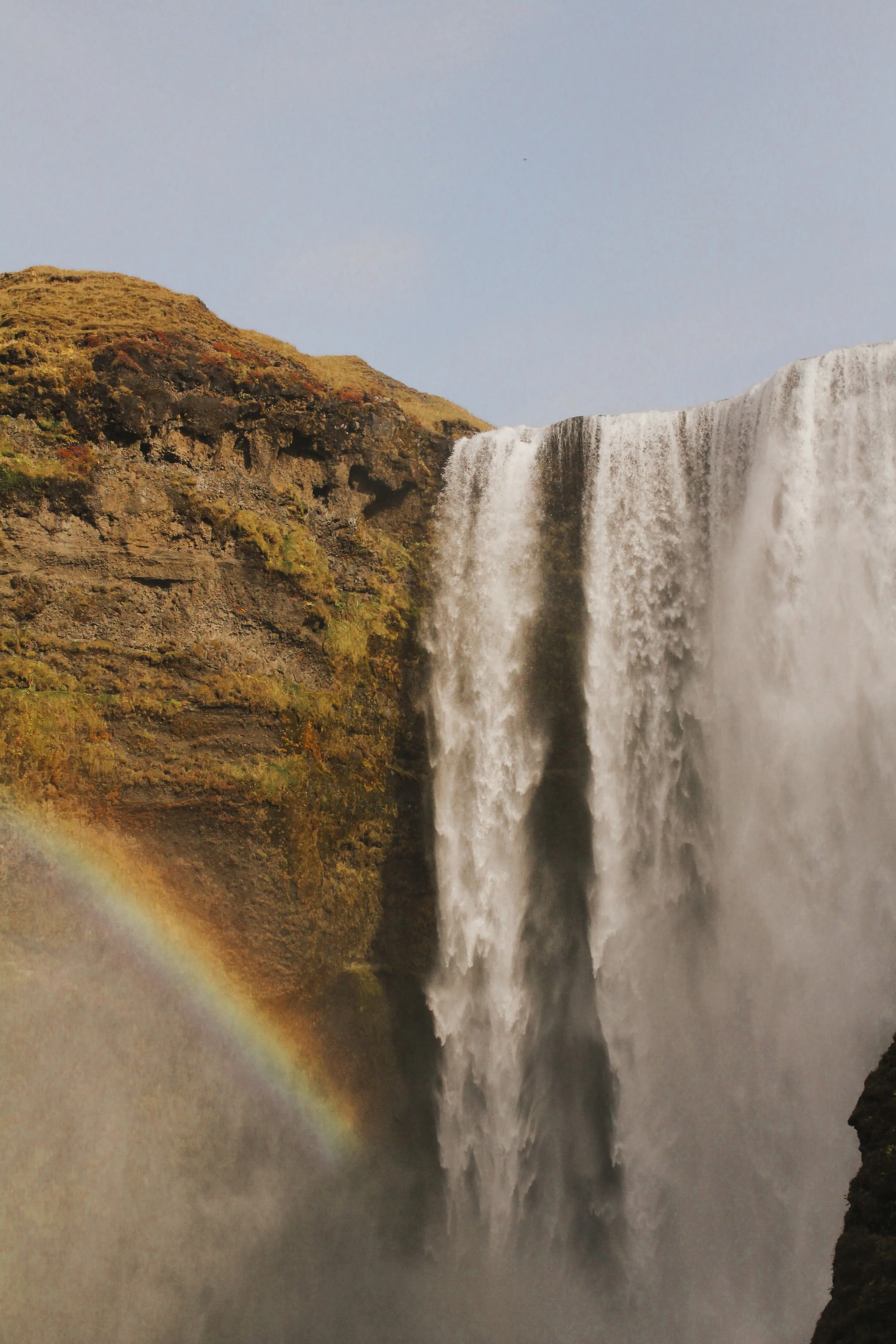
Thread Caravan team member Helga Thoroddsen shares her perspective on knitting, and growing up in Iceland. Join Helga and us in person for our Icelandic Knitting Adventure.
Photos by Johanna Palmieri
Words by Katerina Knight
In recent years, there has been a surge in people turning their hand to the humble knitting needles. For many, it has provided a form of therapy, especially needed in times of uncertainty – such as during the COVID-19 pandemic – while for others it has emerged as a resistance to the model of fast fashion, and a desire to foster a greater connection to their clothing. To knit for oneself or for a loved one a jumper, or even just a simple pair of socks, provides a strong sense of personal gratification.
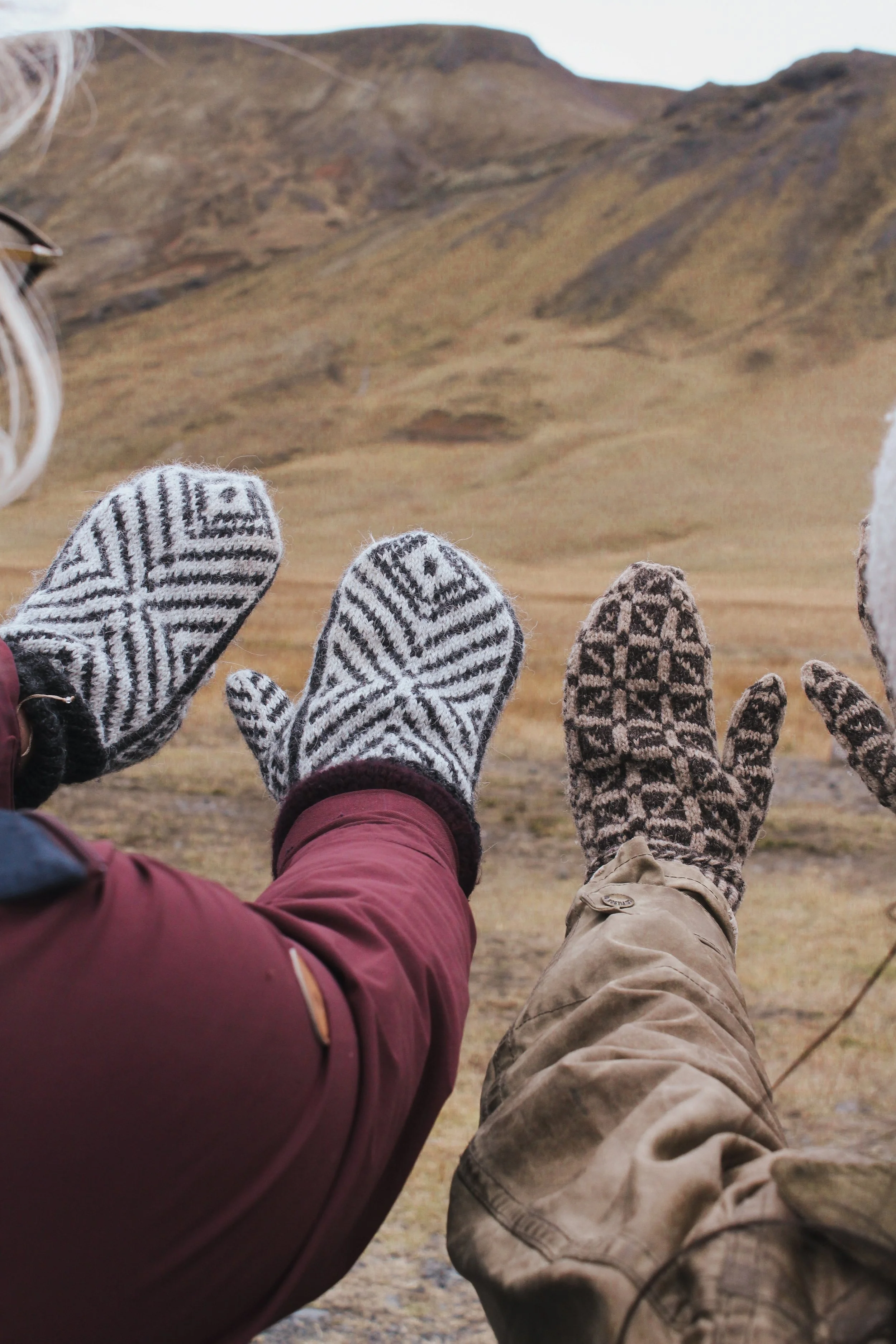
For Icelandic knitwear designer Helga Thoroddsen, however, knitting is not a recent pursuit, but a practice that feels deeply rooted within her, something that has always been present. Thanks to her mother, a keen knitter and seamstress, knitting and textile crafts were embedded within the day-to-day life of her home whilst growing up. “I can’t even remember learning how to knit,” says Thoroddsen. “Like making my mother’s food, I picked up knitting without consciously knowing it.”
Growing up in 1970s Iceland, Thoroddsen notes that almost everybody knew how to knit; it was a skill taught in schools, and not just to women, but to men as well. In Iceland’s cold climate, where long winters demand warm, functional clothing, knitting has long been a practical necessity. The Icelandic wool sweater, known as the Lopapeysa, once traditionally worn by farmers and fishermen, has since become a global phenomenon in fashion. What defines the authentic Lopapeysa, however, is its distinctive Icelandic wool: lopi.
Thoroddsen’s connection to the craft is threaded deeper than the knitting needles; it extends to her material, wool itself. Her childhood was spent during many springs and summers on a sheep and dairy farm. Her recollections of lambing season, followed by shearing, before the sheep were driven to the mountains in June and gathered again on horseback in September, have defined her close relationship with wool. “The wool was so yellow and sticky, almost like butter when it came off the sheep – warm, with this wonderful sheepy smell,” she recalls, evoking the sensory textures of the fibre.
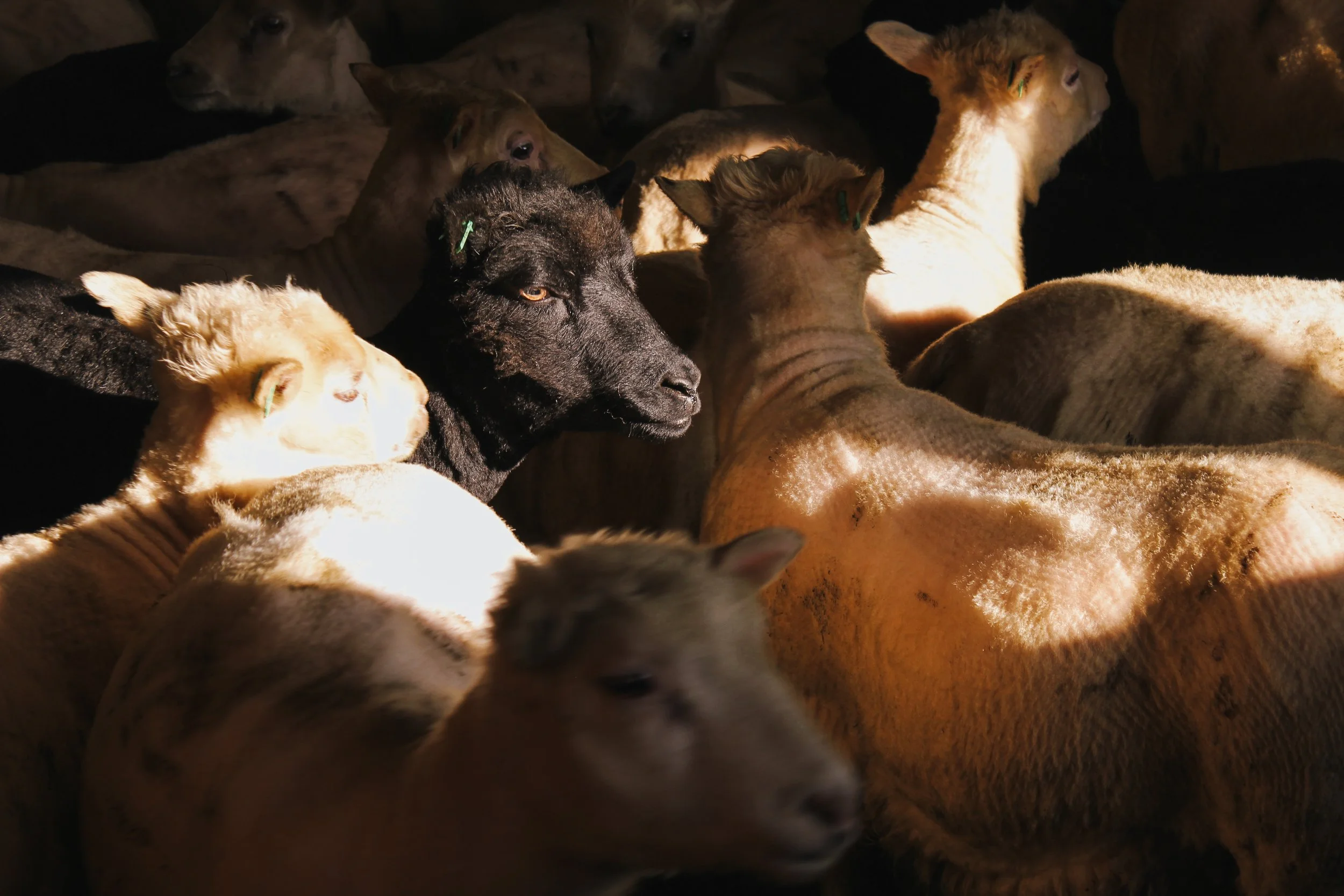
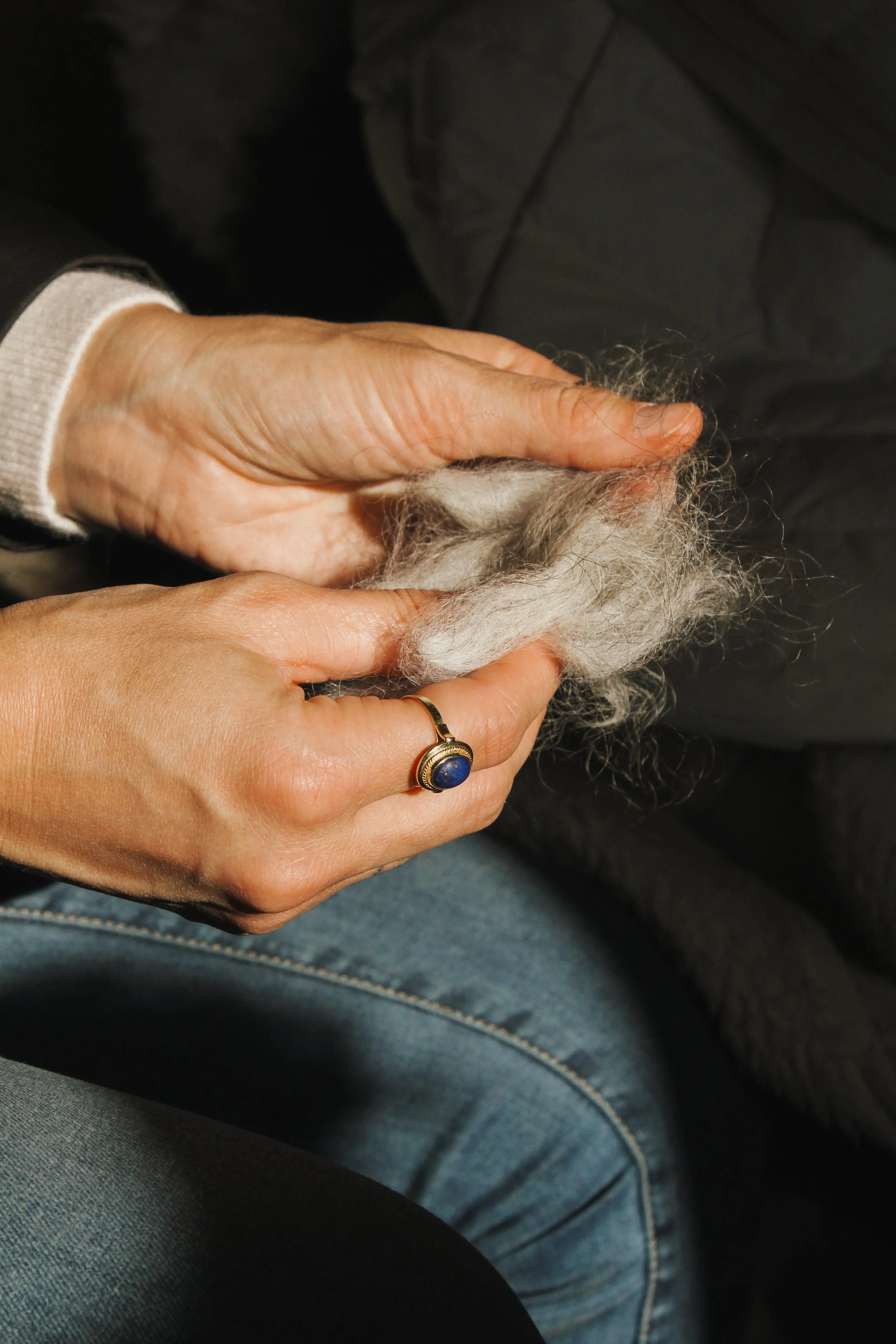
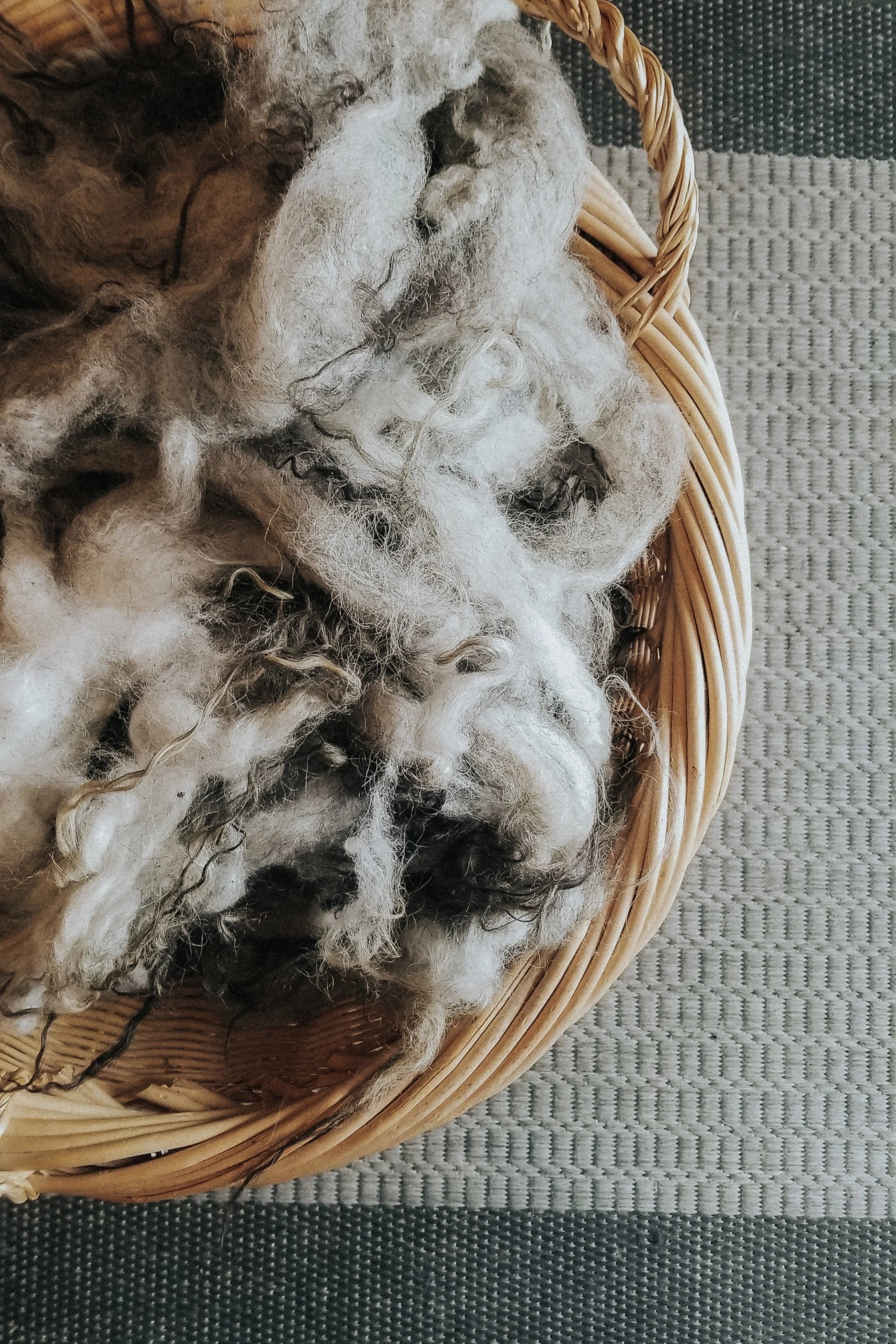
Icelandic wool is known for being very pure, giving it a rustic and durable texture. It is exceptionally warm, yet breathable, lightweight, and resilient. “For me, Icelandic wool is a state of mind,” says Thoroddsen. “One can often find it itchy and uncomfortable at first, but once you embrace it, over time you start to love the slight, sensual prickle and the pure nature of the double-coated fibres – tog and thel.” Icelandic sheep have a dual-layer fleece: the tog, a coarse outer coat that protects against wind and weather, and the thel (þel), the fine undercoat that provides insulation and retains warmth.
“I guess I have always been drawn to wool,” she reflects, “although unconsciously in the beginning, as a nature-loving child.” That unconscious intimacy later became a conscious design philosophy. Her material knowledge, gained out on the land and through early exposure to handcraft, was later enriched through formal education, including a B.Ed. focused on textiles and crafts from the Iceland University of Education, and a Master’s degree in Textile Science from Colorado State University.
Now living back in her region of Ölfus, in the southwest of Iceland, the influence of her upbringing – and her mother – has undoubtedly shaped her practice today. “I realized that my mother was one of a kind when it came to doing things with her hands,” explains Thoroddsen. “Extremely creative and skilled in any textile craft. To me, owning one-of-a-kind garments made with love, and always with high-quality materials, was normal.” She has made it her ambition to provide others with the tools and knowledge to create high-quality, long-lasting clothing themselves.
“I grew up in an era where handmade was considered less than fancy. After the Industrial Revolution, many women had stopped knitting and sewing for their children and families.” Thoroddsen has been consciously designing knit patterns for the last many years. Her patterns are available to purchase through Ravelry, an online fibre community for knitters, crocheters, spinners, weavers, and dyers, which provides a vast database of patterns and projects.
For Thoroddsen, knitting is not merely a business or profession – it is a way of life. “It is an unconscious and everyday practice; I always have many projects on my needles,” she reveals. She keeps portable projects for car rides and visits, alongside more complex pieces that require focused time alone in her studio. “If I do not knit, I get jittery and restless,” she adds. The steady, repetitive movement of knitting needles can bring the mind into a calm and controlled state.
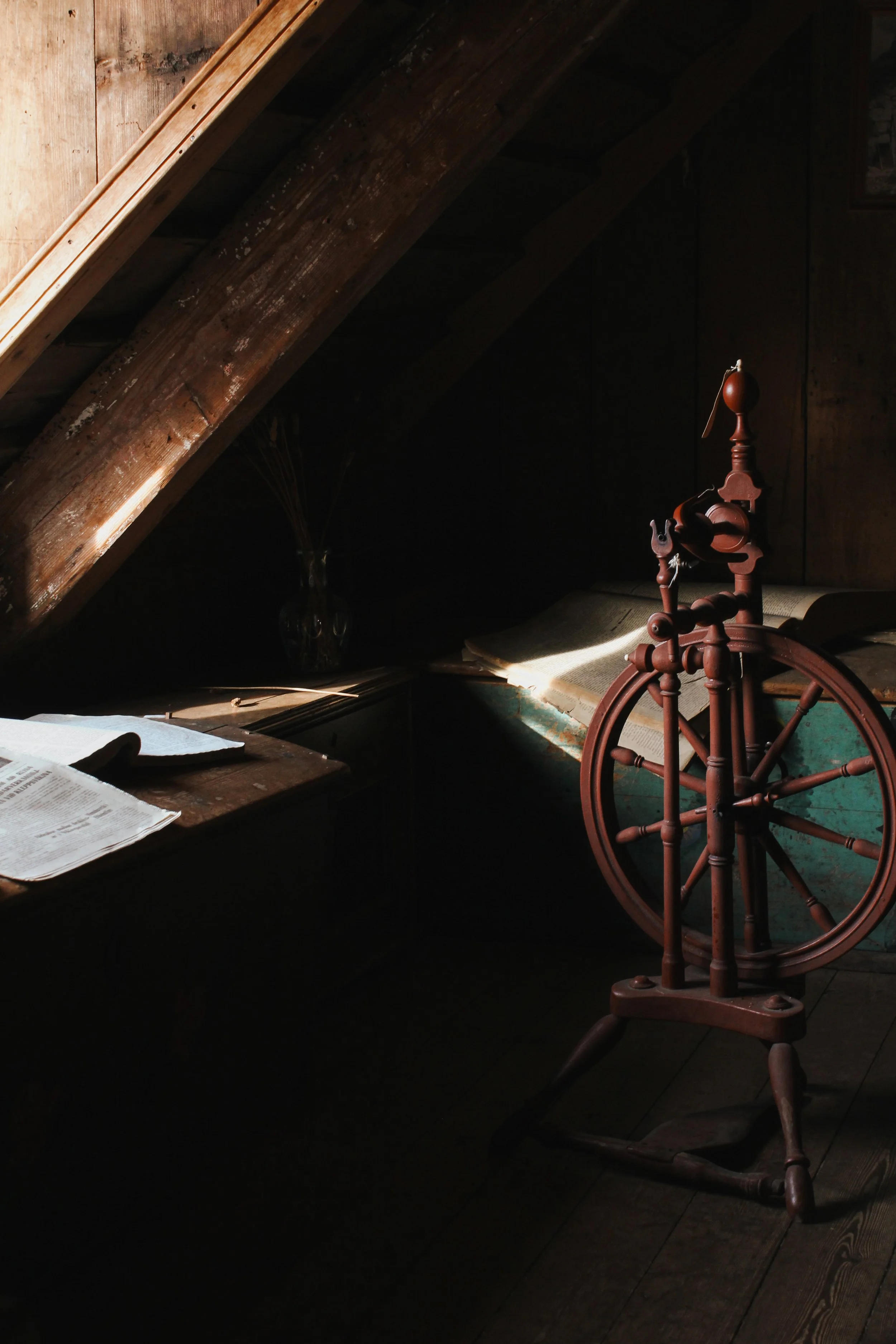
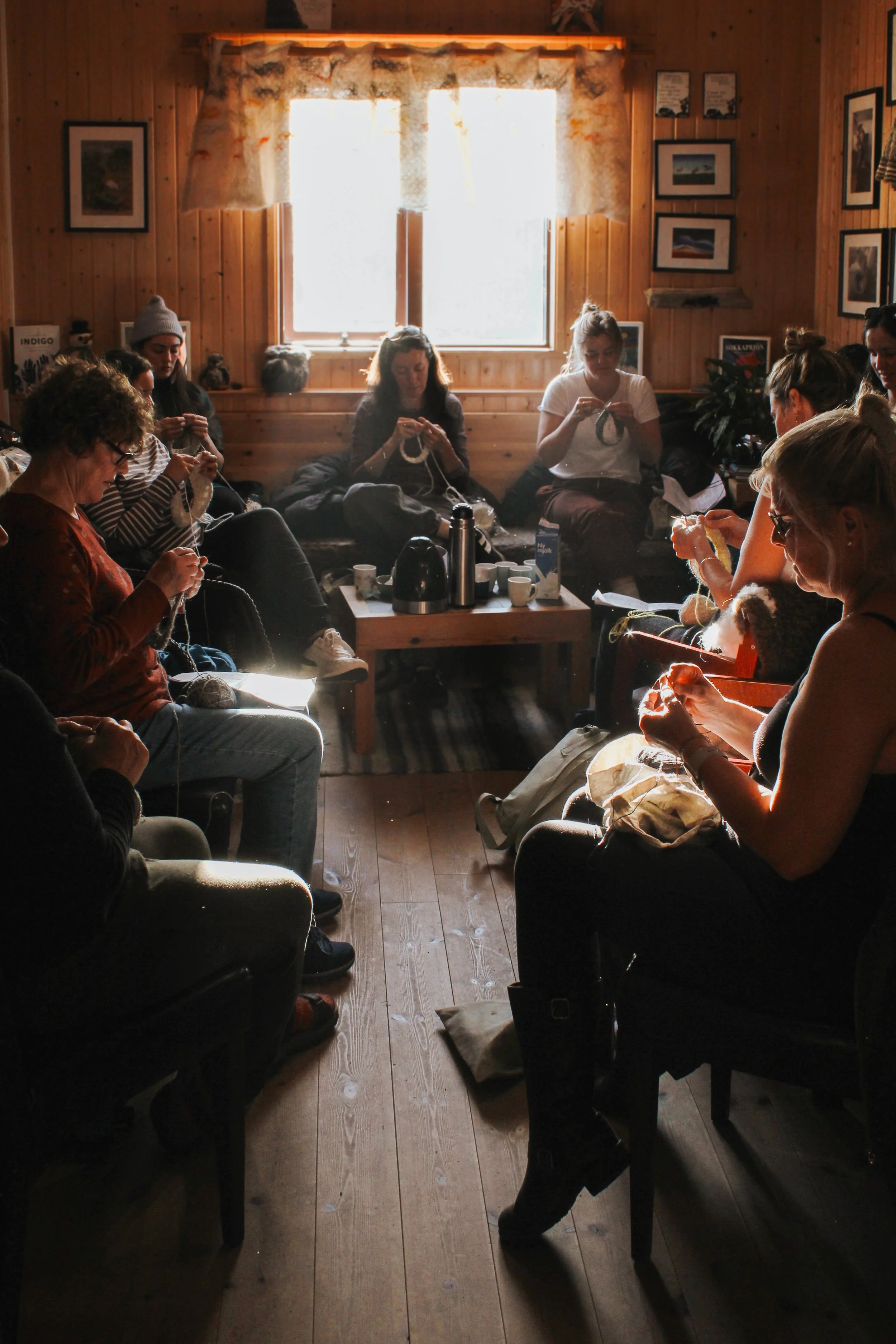
Set against the backdrop of Ölfus, this rhythm feels particularly fitting, a windswept coastal landscape of open fields, distant mountains, and ever-changing light, where life moves at the pace of nature and the elements.For textile lovers, Iceland offers a rich landscape – from family-run mills such as Uppspuni and Urður Ull, to female-run craft cooperatives scattered across the island, and institutions such as the Icelandic Textile Museum.