
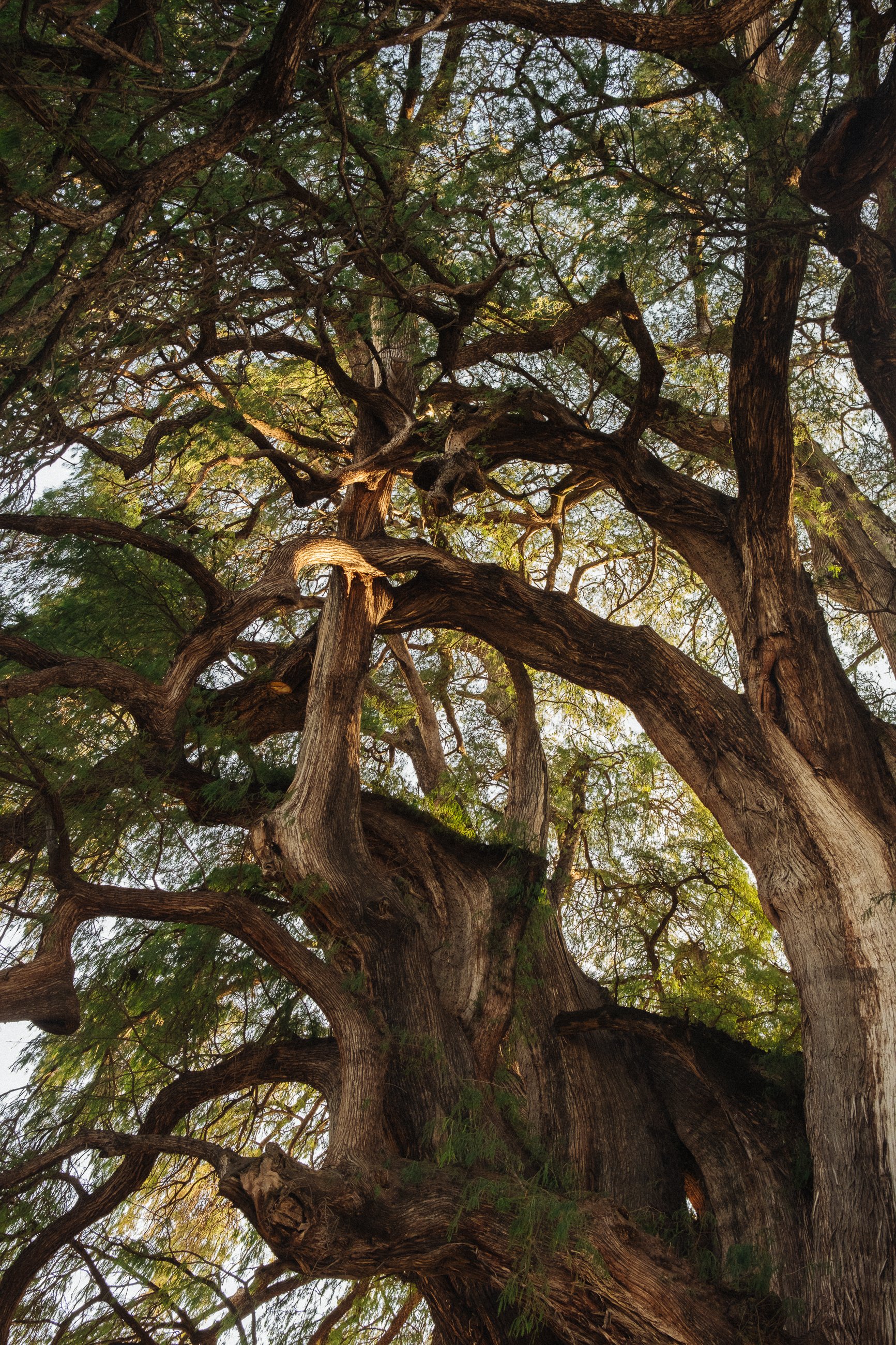
Sembrar Agua
Unión Zapata, Oaxaca
July 18, 2026
7:00 - 13:00
Thread Caravan and Remedios del Bosque are coming together with the community of unión zapata,
to restore land with the intentions of increased water retention, soil health, biodiversity, and wildfire prevention.
Agroforestry systems improve the land’s ability to capture, store, and cycle water. Diverse vegetation and permanent ground cover reduce surface runoff during rain events, allowing more water to infiltrate the soil rather than being lost across the landscape.
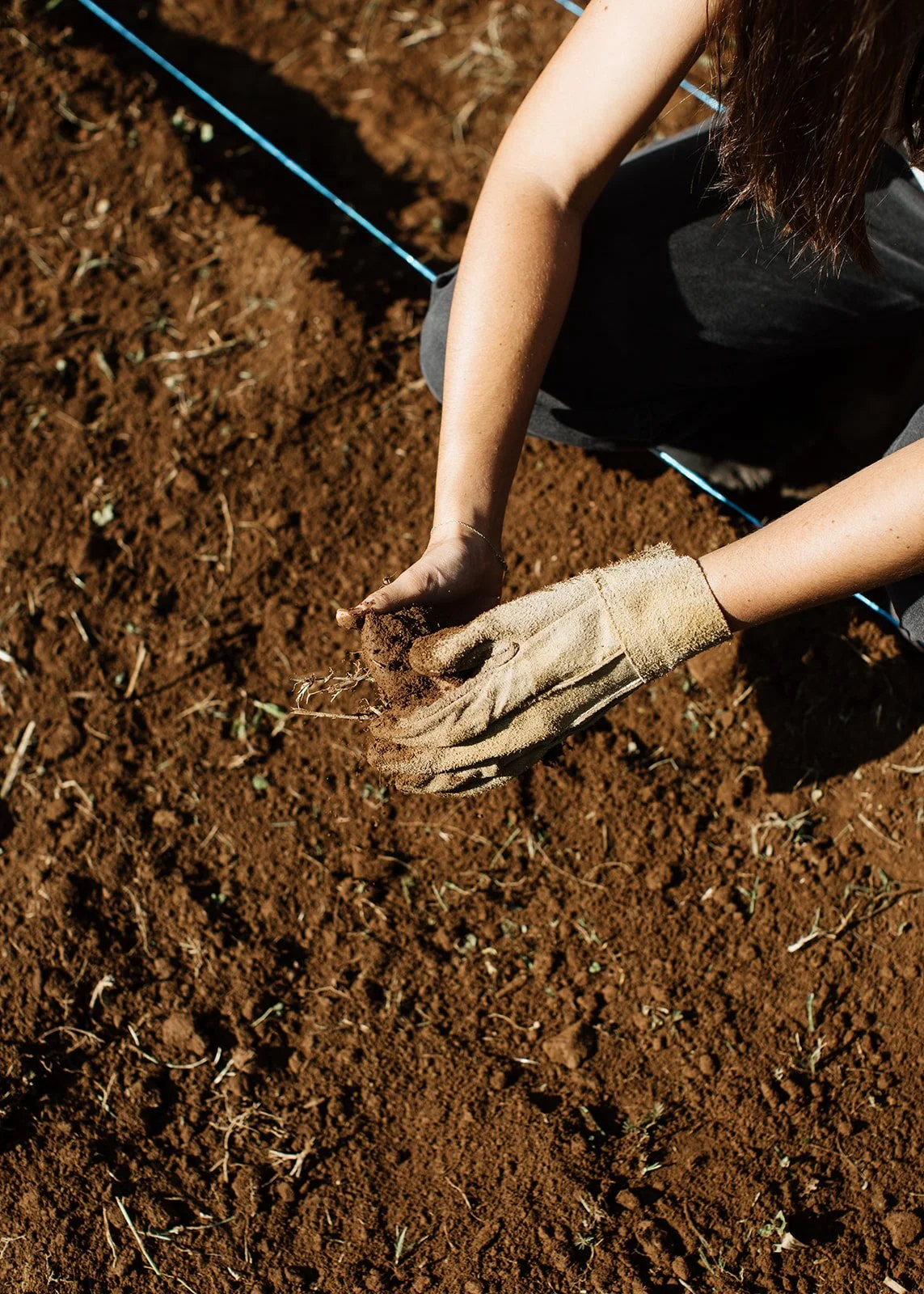
As organic matter and biomass accumulate, the soil acts like a sponge, retaining moisture for longer periods and increasing resilience during drought. Deep and extensive root systems further enhance water infiltration while stabilizing the land against erosion caused by heavy rains and strong winds.
Studies show that healthy agroforestry systems can help return 30–40% of rainfall to underground aquifers, supporting deep groundwater recharge and strengthening long-term water security. Over time, these living systems become increasingly self-sustaining, improving the landscape's natural capacity to retain and generate water.
We can literally plant a system that can sustain itself and generate water over time.
Water RetentionHealthy soil is the foundation of a thriving ecosystem. Strategic planting of native species generates large amounts of biomass that continuously feed and protect the soil surface. This natural layer reduces evaporation, moderates soil temperature, and protects against erosion.
The diversity of root structures helps break up compacted soils, improve soil structure, and create pathways for water and air movement. Many species also contribute to nitrogen fixation and support beneficial microbial activity, accelerating soil regeneration and restoring fertility over time.
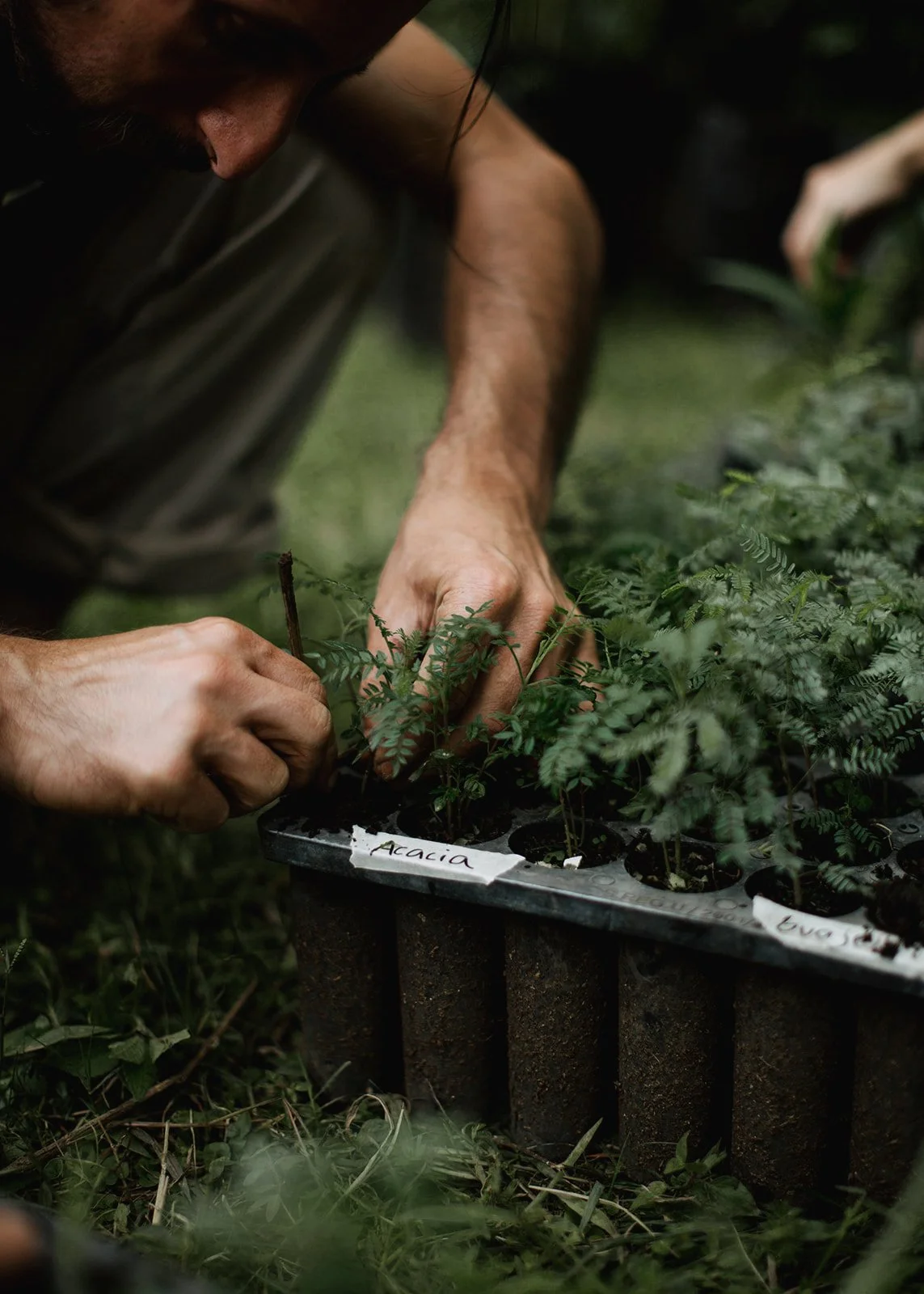
Soil HealthBiodiversityThe restoration strategy prioritizes the planting of native seeds and saplings to establish a diverse, multi-layered forest ecosystem. Fast-growing pioneer species such as sunflower, beans, castor, and other native plants quickly cover the soil, improve growing conditions, and prepare the land for long-term forest development.
Meanwhile, native trees and perennial species including huizache, huaje, cazahuate, flor de mayo, ahuehuete, mezquite, copal, pochote, agaves, and nopales, form the foundation of a resilient and biodiverse forest.
As these species mature, they create habitat for pollinators, birds, insects, and other wildlife while increasing ecological stability and resilience.
Healthy, hydrated landscapes are naturally more resistant to wildfire. By increasing soil moisture, groundwater recharge, and vegetation diversity, agroforestry systems create cooler and more humid microclimates that reduce the likelihood of extreme fire behavior.
Unlike degraded landscapes that become dry and highly combustible during periods of drought, diverse agroforestry systems remain greener for longer throughout the year. This reduces the accumulation of flammable fuels, slows fire spread, and increases the overall resilience of the ecosystem to wildfire risk.
Wildfire Prevention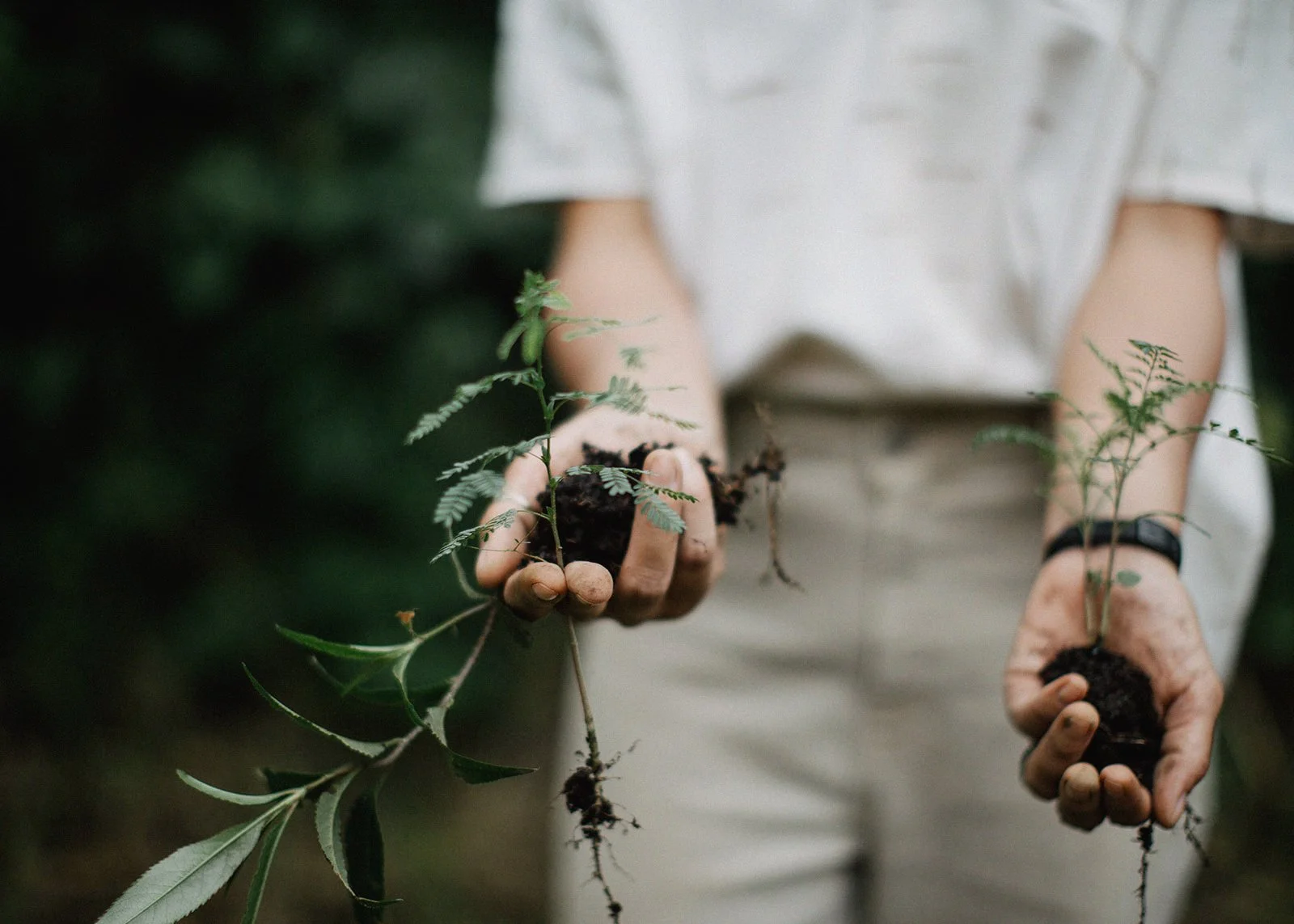
Support our efforts with a one-time or reoccurring donation.
Prices listed are in USD.
"When we plant trees, we plant the seeds of peace and seeds of hope."
-Wangari Maathai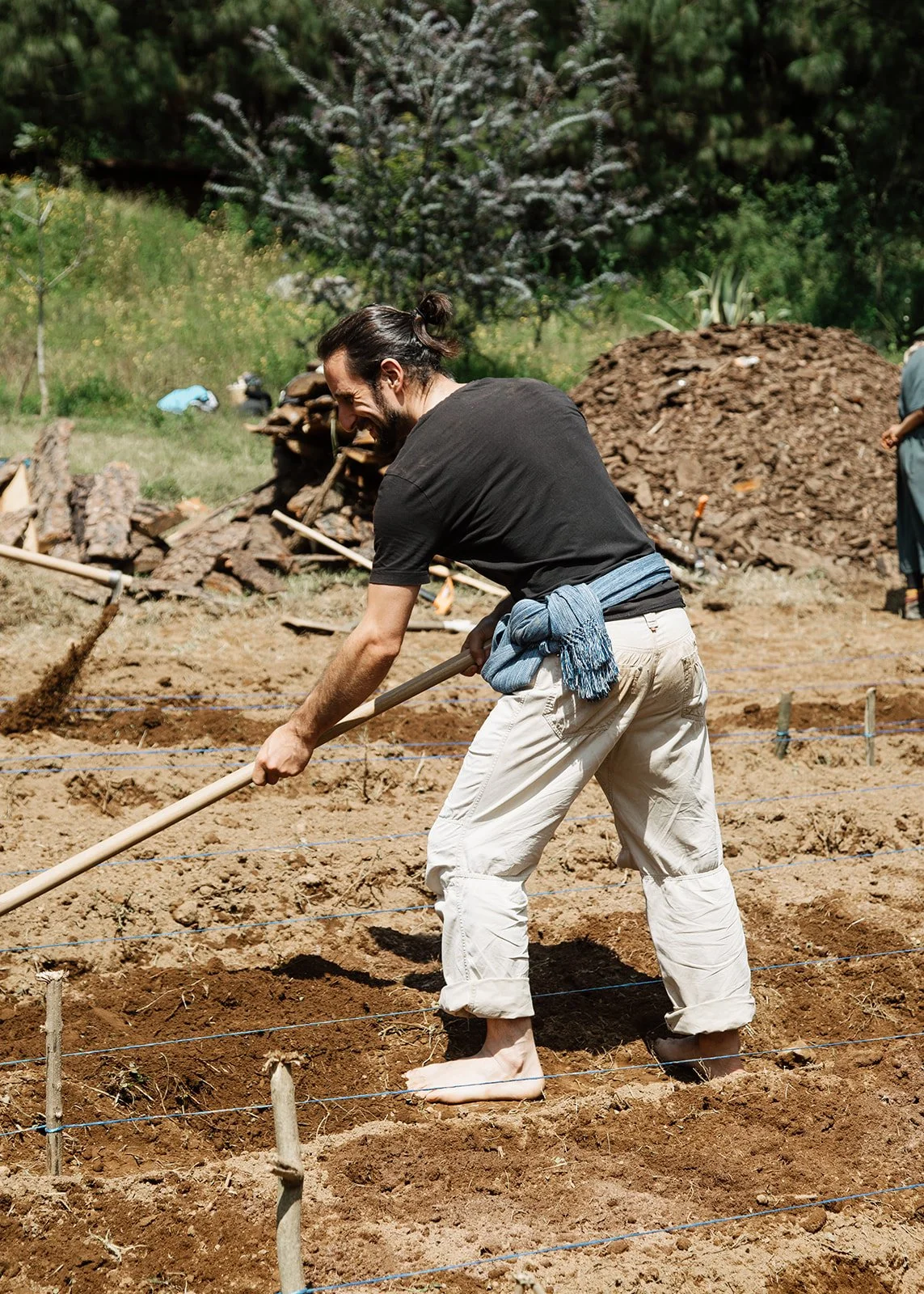
VOLUNTEER
Join us in Union Zapata.
We are inviting 60 volunteers to come help us restore the soil and plant seeds and saplings.
TimeJuly 18, 2026 | 7:00 - 13:00
LocationUnion Zapata, Valles Centrales, Oaxaca
An exact geopoint and transportation information will be sent to volunteers closer to the date.
IncludedLunch, tejate, mezcalito
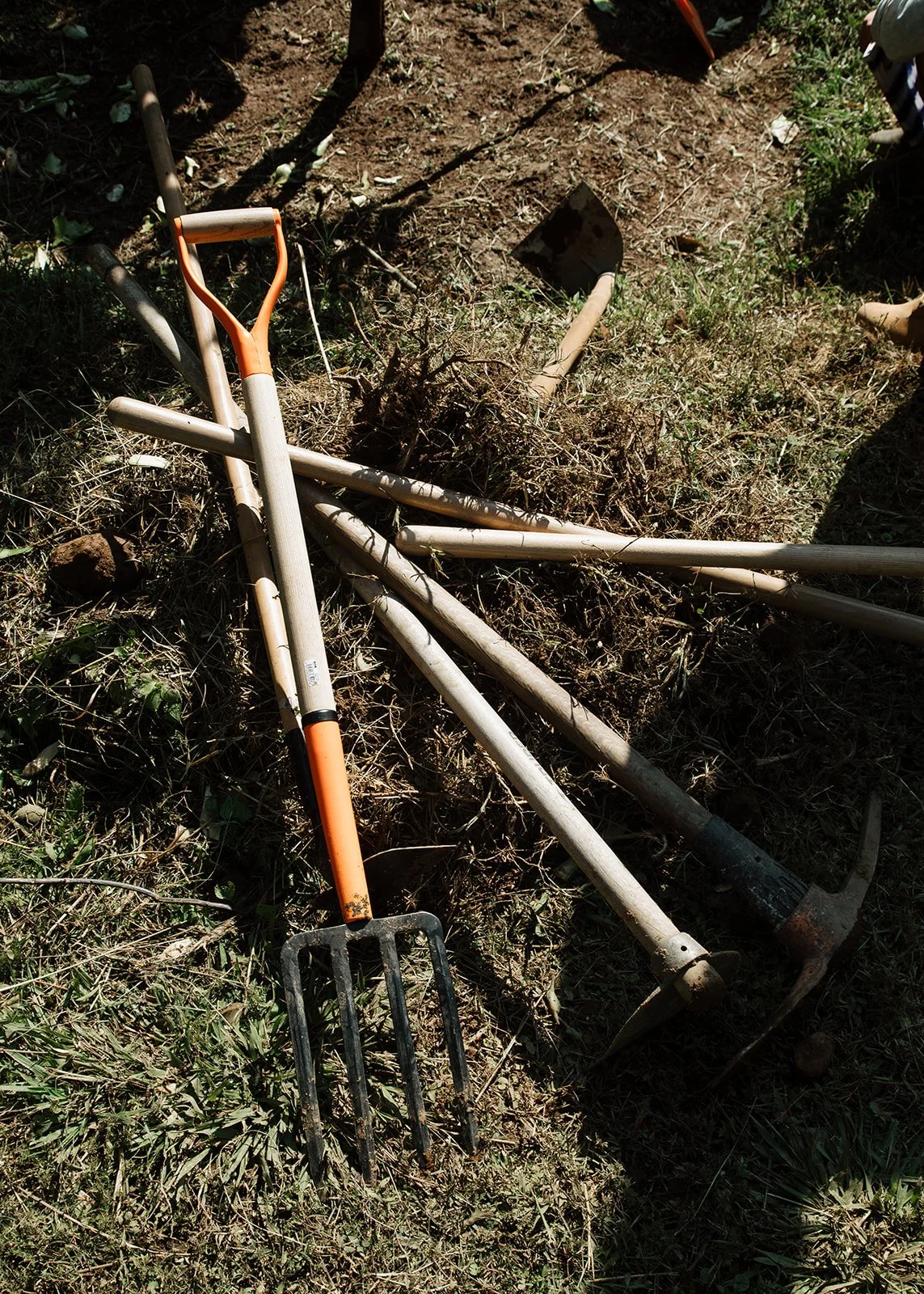
Please BringShovel and other tools, gloves, sunhat, work boots and work clothes
RegisterPlease register your interest here.
Thank you to our collaborators: